
Plant Care Guide
Where to Place Indoor Plants for Better Light
Compare indoor plant locations by time of day, window direction, distance, obstructions, and plant response before making a move.
In this guide
Quick answer
Choose an indoor plant location by comparing the actual light pattern, not by calling a room simply “bright” or “low light.” Measure the same candidate spot in the morning, around midday, and in the afternoon; record window direction, distance, curtains, overhangs, trees, buildings, and seasonal changes; then compare nearby locations under the same method. Move established plants gradually and keep watching growth, color, leaf position, soil dry-down, and signs of excess direct light. A meter helps compare places, but it does not choose a species-specific target for you.
Start with a comparison, not a room label
General plant-care guidance: light has more than one dimension. Illinois Extension describes amount, quality, and duration as important parts of an indoor plant’s light environment. A location that appears bright to a person may still provide a short or inconsistent period of useful light, while a spot that looks dim at one moment may receive stronger light earlier in the day.
Window direction is a useful starting note, not the conclusion. Buildings, trees, roof overhangs, screens, curtains, weather, and the condition of the glass can all change what reaches the leaves. University of Maryland Extension also notes that light intensity falls quickly as a plant is moved farther from a window. Two shelves in the same room can therefore create meaningfully different conditions.
Begin with a real decision: “Should this plant remain on the table, move closer to the window, or use the shelf?” Comparing defined alternatives produces more useful evidence than asking whether the whole room is bright enough.
Measure the same place at different times
A single reading is a snapshot. Repeat the check in the morning, around midday, and in the afternoon so you can see whether the location stays similar or changes sharply. Use the same meter orientation and approximately the same leaf-level position each time. Do not compare one reading taken at the window glass with another taken above a low table and treat the difference as a time trend.
VODESON editorial recommendation: use a simple three-column note:
- Time and conditions: morning, midday, or afternoon; clear, overcast, or shaded by an obstruction.
- Location: room, window direction, distance from glass, shelf height, and whether a curtain or screen is in place.
- Comparison result: record the meter output exactly as shown and note whether direct sun reaches the leaves.
Repeat the same pattern on another representative day if weather or temporary shade made the first comparison unusual. The purpose is to learn the location’s pattern, not to chase the highest number you can find.
Record direction, distance, and obstructions
Direction explains where the sun may travel, but distance and obstructions explain much of what the plant actually receives. Record the nearest window and the plant’s approximate position relative to it. Then note anything between the sky and the leaves: exterior trees, neighboring buildings, balconies, awnings, insect screens, blinds, sheer curtains, tinted glass, or another plant canopy.
Do not remove an obstruction for the measurement unless it will also be removed during normal plant care. Measuring with a curtain open and then living with it closed creates a false baseline. If curtains change through the day, measure the real routine.
Season matters too. Sun angle and day length change, deciduous trees gain or lose leaves, and surrounding shade patterns move. A placement that worked during one part of the year deserves another comparison when the room’s light pattern changes.
Compare nearby placements
When the current location appears unsuitable, compare small moves before making a dramatic one. Check the front and back of a shelf, each side of the same window, or the current table and a nearby stand. Keep the time, meter position, and curtain state consistent so the comparison is meaningful.
Make a small table in your notes with one row per candidate location. Include the repeated readings and the practical constraints: possible direct sun, drafts, heating or cooling vents, pets, watering access, and room for growth. Light is important, but a location that exposes foliage to a strong vent or makes watering impossible may not be a better overall placement.
If the move also changes warmth, airflow, or watering access, expect the soil dry-down pattern to change. Review How to Read Soil Moisture Before Leaves Droop rather than carrying the previous watering assumption into the new location.
Move plants gradually
Established foliage can react poorly when it moves abruptly from a protected location into much stronger direct light. University of Maryland Extension advises using distance or a sheer curtain when direct light is excessive, and Penn State Extension recommends gradual acclimation when plants are moved to brighter conditions.
Change one factor at a time when possible. Move the plant a modest distance, keep the rest of its care stable, and observe the response before moving again. Watch both the side facing the window and the shaded side. Rotate only according to appropriate care guidance for the plant; frequent changes can make it harder to understand what caused the response.
Do not use “more light” as an automatic remedy for every problem. A plant already receiving stressful direct exposure may need filtering or greater distance, while a pale or stretched plant can also have other care issues. The comparison helps define the light change; it does not diagnose the whole plant.
Cross-check the reading with the plant
Illinois Extension notes that stretched growth, smaller new leaves, reduced variegation, or leaning toward a source can be associated with insufficient light. University of Maryland Extension also describes leaf bleaching, scorched areas, and heat stress as possible signs of excessive direct exposure. These signs overlap with other problems, so combine them with your placement record.
Compare new growth after the move with the plant’s earlier pattern. Note spacing between leaves, leaf size and color, direction of growth, and whether the pot now dries faster or slower. Use reputable species guidance to interpret those observations. If the plant declines despite a carefully documented light change, review roots, watering, temperature, pests, and nutrition instead of continuing to move it.
For plants watered by a timer, placement and irrigation should be reviewed together. A sunnier or windier position may change demand while a shaded move may slow dry-down. The workflow in A Simple Watering Routine for Busy Plant Owners explains how to adjust a repeatable schedule without treating it as permanent.
What the tool can—and cannot—tell you
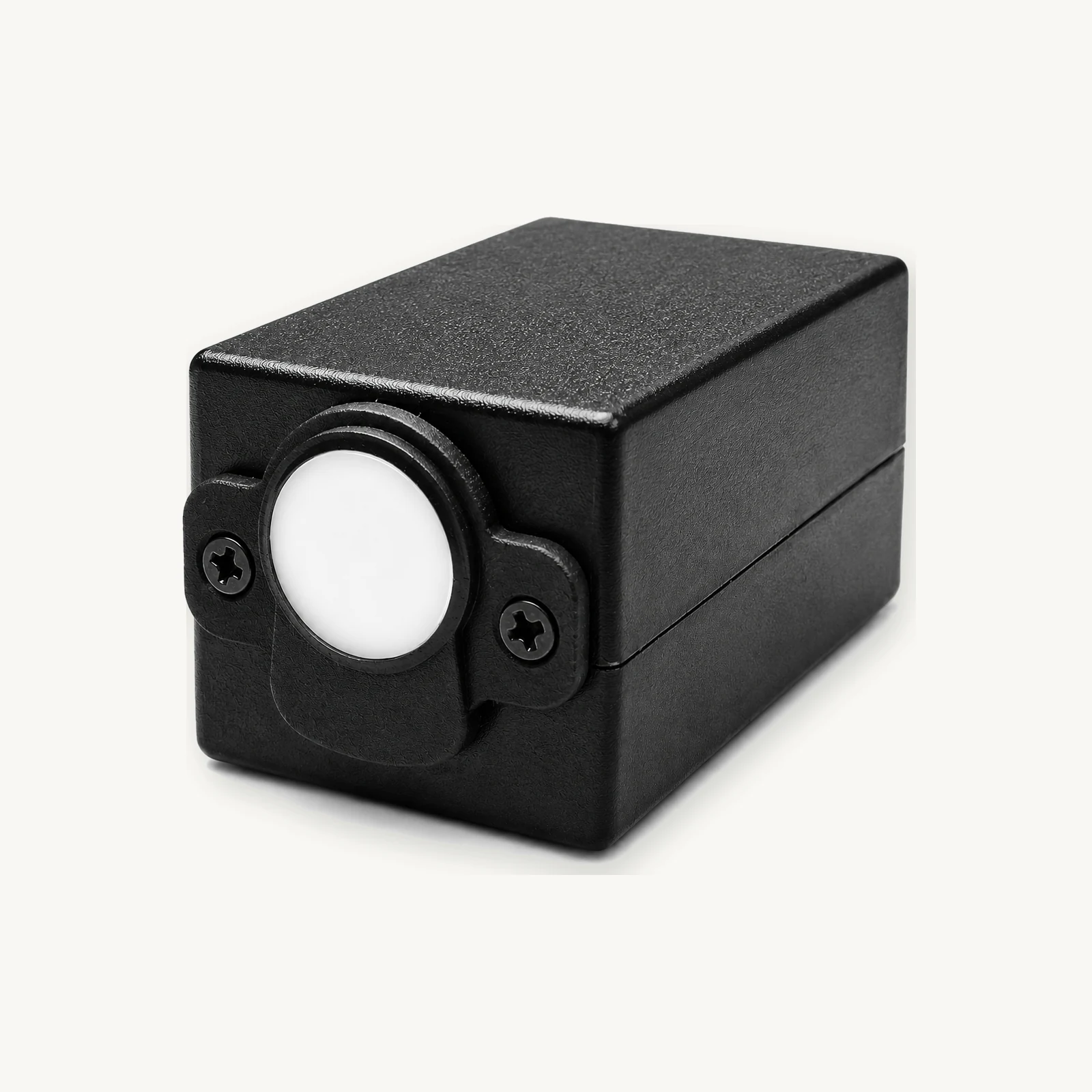
VODESON tool note: the VODESON Micro Spectrometer Basic – Android Only is the current VODESON listing associated with this guide. It can support repeatable comparisons of light conditions when used consistently with a compatible Android device. Check the current product page for compatibility details before purchase.
A spectrometer can help you compare locations and examine the measured light signal. It cannot identify the plant, know its acclimation history, account for every hour you did not measure, or decide a universal target. Do not turn an isolated result into a species recommendation. Use repeated measurements, documented conditions, plant-specific guidance, and the plant’s response together.
Sources and method
This guide separates general indoor-light guidance, VODESON’s comparison workflow, and VODESON product references. It deliberately avoids fixed lux, foot-candle, or daily-light targets because no VODESON validation dataset currently supports applying one threshold across plants, rooms, devices, and measurement methods.
- Light dimensions and plant response: University of Illinois Extension, “Lighting” — light amount, quality, duration, changing indoor conditions, comparison with a light meter, and signs associated with light mismatch.
- Why direction alone is insufficient: University of Illinois Extension, “Houseplants and Indoor Lighting” — windows, exterior shade, and overlapping plant symptoms.
- Distance, obstructions, seasons, and excess exposure: University of Maryland Extension, “Lighting for Indoor Plants” — rapid change with distance, environmental obstructions, seasonal variation, and filtering excessive direct light.
- Gradual adjustment: Penn State Extension, “Low-Light Houseplants” — gradual acclimation when moving plants into brighter conditions; used as a cautious transition principle rather than a universal timetable.
- Product reference: VODESON Micro Spectrometer Basic – Android Only — current product identity and compatibility wording only.
Sources were reviewed on August 27, 2026.